
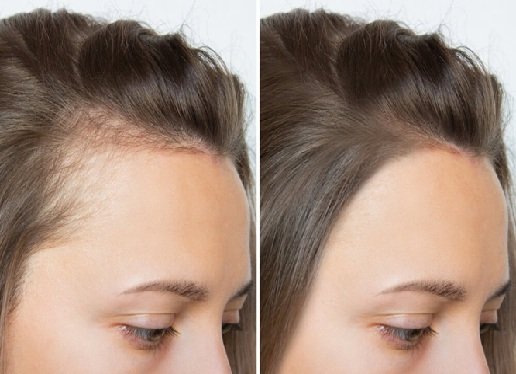
A lot of people want their hair to grow in a healthy way, but it can be hard to tell the difference between tried-and-true ways and marketing hype. There are a lot of hair products and styles out there, so knowing how hair grows helps you make better decisions and get better results. Let’s look at what really works and how you can easily help your hair.
How Hair Grows
Hair growth follows a natural cycle with three main phases. The active growth stage lasts for several years and is called the anagen phase. Next is the catagen phase, a short transition period. Finally, the telogen phase is when hair rests before shedding. At any time, each strand is in a different stage, which explains why shedding is normal.
Disruptions to this cycle can slow growth or increase hair loss. Factors such as stress, hormonal changes, poor nutrition, and scalp conditions can shorten the growth phase. Supporting your body and scalp health helps maintain a longer anagen phase for stronger hair.
The Role of Scalp Health
A healthy scalp creates the right environment for hair follicles to thrive. Clogged pores, excess oil, or inflammation can block follicles and weaken hair strands. Regular cleansing removes buildup from styling products and environmental pollutants.
Massaging the scalp improves blood flow, delivering oxygen and nutrients to hair roots. This simple habit can stimulate follicles and encourage healthier growth. Using gentle exfoliation once a week also removes dead skin cells and supports better absorption of hair care products.
Nutrition and Hair Strength
Keratin is a type of protein that makes up most of hair. Hair can get weak and break easily if you don’t eat enough protein. Eggs, fish, and beans are all good sources of lean protein that can help keep strands strong.
Minerals and vitamins are also very important. Zinc helps tissues heal, and iron helps get oxygen to hair cells. Biotin and vitamin D can help your body grow faster. These nutrients are usually found in a balanced diet full of fruits, vegetables, and whole grains. Taking supplements can help, but only if you know you’re lacking something.
Hormones and Hair Growth
Hormonal imbalances are a common cause of thinning hair. Changes during pregnancy, menopause, or thyroid disorders can affect growth patterns. Dihydrotestosterone, or DHT, is a hormone known to shrink follicles in people prone to hair loss.
Managing hormones through medical guidance, stress reduction, and proper sleep can improve growth conditions. Before starting any hormonal treatment, you should always talk to a doctor or nurse.
Products That Actually Help
There are different kinds of hair growth tools. Look for ingredients that have been backed up by science. It has been shown that caffeine can make follicles work better. Niacinamide makes blood flow better, and peptides make hair stronger. Botanical products, such as saw palmetto, may help lessen the effects of DHT.
When looking for options like regrow uk, it’s better to choose long-term use over quick fixes. It takes time for hair to grow back, and most methods take at least three to six months to work. Do not use harsh products on your skin or hair.
Lifestyle Habits That Make a Difference
Daily habits significantly influence hair health. Chronic stress can push more strands into the shedding phase, so relaxation techniques like yoga or meditation can help. Sleep allows your body to repair cells, including those in hair follicles.
Avoid excessive heat styling and tight hairstyles that pull on roots. Use wide-tooth combs and gentle brushing to prevent breakage. Staying hydrated also supports overall scalp moisture.
What Does Not Work
Many myths surround hair growth. Frequent trimming does not make hair grow faster, though it helps prevent split ends. If you use gentle products when you wash your hair every day, you won’t lose hair. Oils by themselves can’t grow hair back, but they can make it shine and improve the health of your skin.
Final Thoughts
Healthier hair growth is achieved through a combination of proper nutrition, scalp care, smart product choices, and healthy lifestyle habits. There is no magic solution, but science shows that consistent care delivers long-term results. By understanding how your hair works and supporting it from the inside out, you can create the best environment for stronger and fuller growth.