
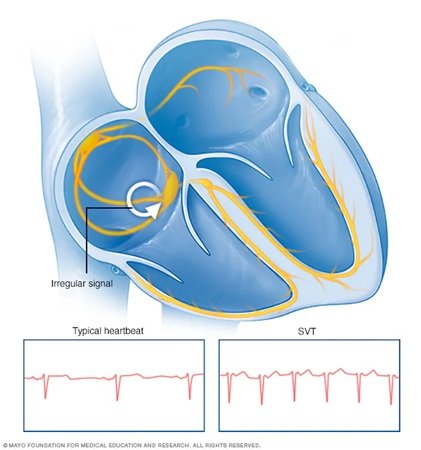
Supraventricular tachycardia, or SVT, is a condition in which the heart suddenly beats much faster than usual because of improper electrical activity above the ventricles. While episodes can be frightening, many forms of SVT are treatable when properly diagnosed. Understanding the variations of this condition helps patients recognize symptoms early and seek appropriate care. A closer look at common types of SVT and their treatment options reveals just how manageable this condition can be with modern medical guidance.
Atrioventricular Nodal Reentrant Tachycardia: The Most Frequent Form of SVT
Atrioventricular nodal reentrant tachycardia, or AVNRT, is the most common type of SVT. It occurs when an electrical loop forms within or near the atrioventricular node, causing rapid heartbeats that may last minutes or even hours. People experiencing AVNRT often describe a sudden onset of palpitations, lightheadedness, or chest discomfort. Because the rhythm change happens abruptly, it can feel alarming even if it’s not immediately dangerous. Treatment usually begins with vagal maneuvers, which are simple physical techniques that help slow the heart. If these do not work, medication or adenosine administered in a clinical setting can quickly restore normal rhythm. Long-term cases may benefit from catheter ablation to disrupt the faulty electrical pathway.
Atrioventricular Reciprocating Tachycardia and Accessory Pathways
Atrioventricular reciprocating tachycardia, or AVRT, is another common form of SVT and occurs when electrical signals travel between the atria and ventricles through an accessory pathway. In some individuals, this additional pathway is associated with Wolff-Parkinson-White syndrome, where rapid rhythms can develop unexpectedly. AVRT episodes often produce a strong racing heartbeat and may lead to feelings of weakness or shortness of breath. Like AVNRT, initial treatment includes vagal maneuvers or medications. However, catheter ablation is highly effective for AVRT because the accessory pathway can be precisely located and eliminated. For many patients, this results in permanent relief from recurrent episodes.
Atrial Tachycardia and Its Distinct Behavior
Atrial tachycardia is less common but still an important variant of SVT. Instead of a reentry circuit, this type arises from a single irritable spot in the atria that fires electrical impulses faster than normal. Symptoms may be milder or more gradual, but persistent episodes can still disrupt daily life and affect heart function. Beta-blockers, calcium channel blockers, and other medicines can help reduce the rate and frequency. When medication is not enough or causes side effects, catheter ablation is again a useful treatment because it targets the specific focus generating the irregular impulses.
Understanding Diagnosis and Managing Life with SVT
Diagnosing SVT usually begins with an electrocardiogram, though many cases require extended monitoring to capture episodes that come and go. Once the type of SVT is accurately identified, treatment can be tailored to the individual. Some people experience only occasional episodes and may need nothing more than education on managing triggers like stress, dehydration, or excessive caffeine. Others with frequent or severe episodes benefit greatly from electrophysiology studies and ablation procedures that offer long-term correction. Lifestyle changes, including maintaining hydration, getting adequate sleep, and avoiding stimulants, support overall heart stability and reduce the likelihood of episodes.
A Future of Better Care and Fewer Episodes
Living with SVT does not mean living with constant worry. As cardiac science advances, both diagnostic tools and treatments continue to improve, giving patients more control over their heart health. Whether the cause is a reentry circuit, an accessory pathway, or a single overactive cell, understanding the nature of SVT empowers individuals to make informed decisions about their care. With proper evaluation and modern treatment options, many people find lasting relief and return to their normal routines with renewed confidence in their heart’s rhythm.